



Facing a no heat emergency on the coldest night? Follow our calm, safe checklist for homeowners in Gallatin and Middle Tennessee to restore warmth or stay safe.

Discover how the TVA Home Uplift program transforms homes in Middle Tennessee. Learn how Derryberry’s Heat & Air participates in this community energy initiative.
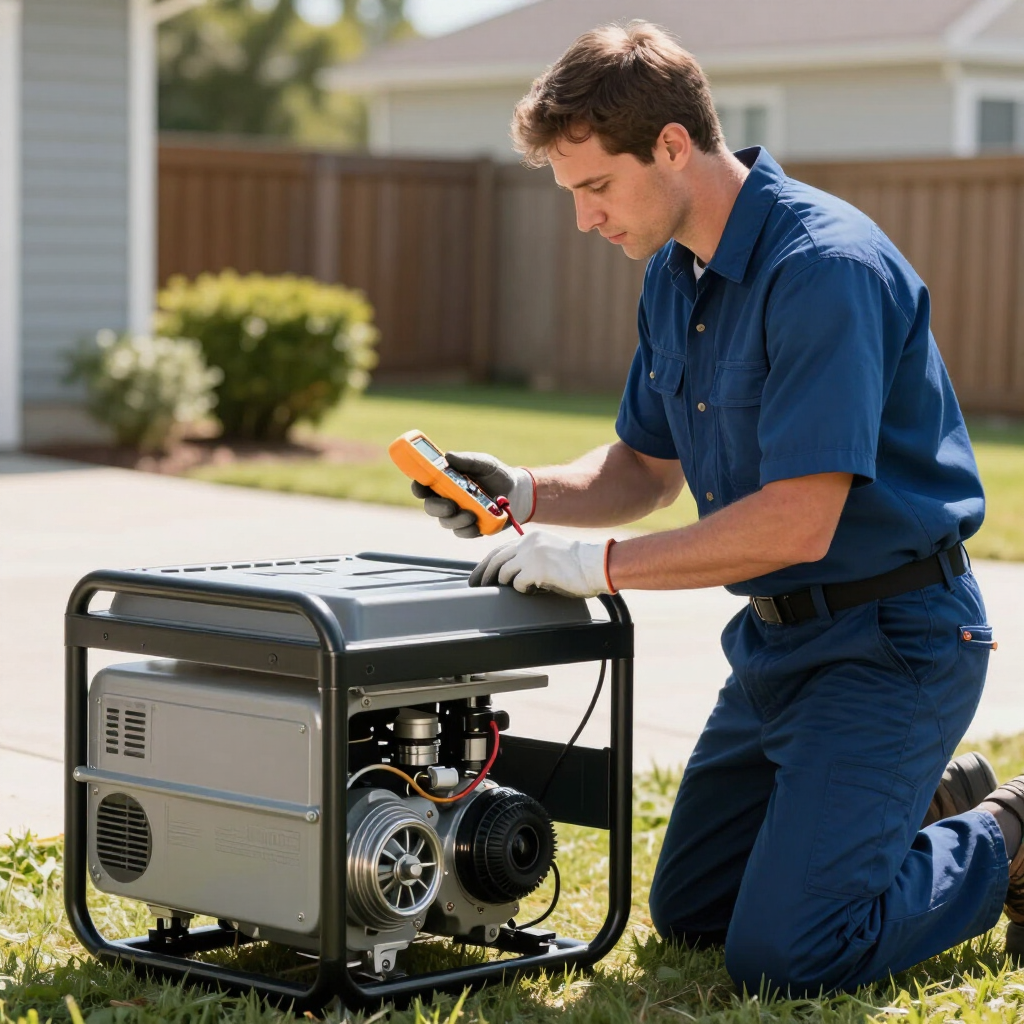
Learn the professional steps for standby generator installation to keep your home powered safely during Tennessee's spring storm season. Understand permits, safety, and why expert help is vital.
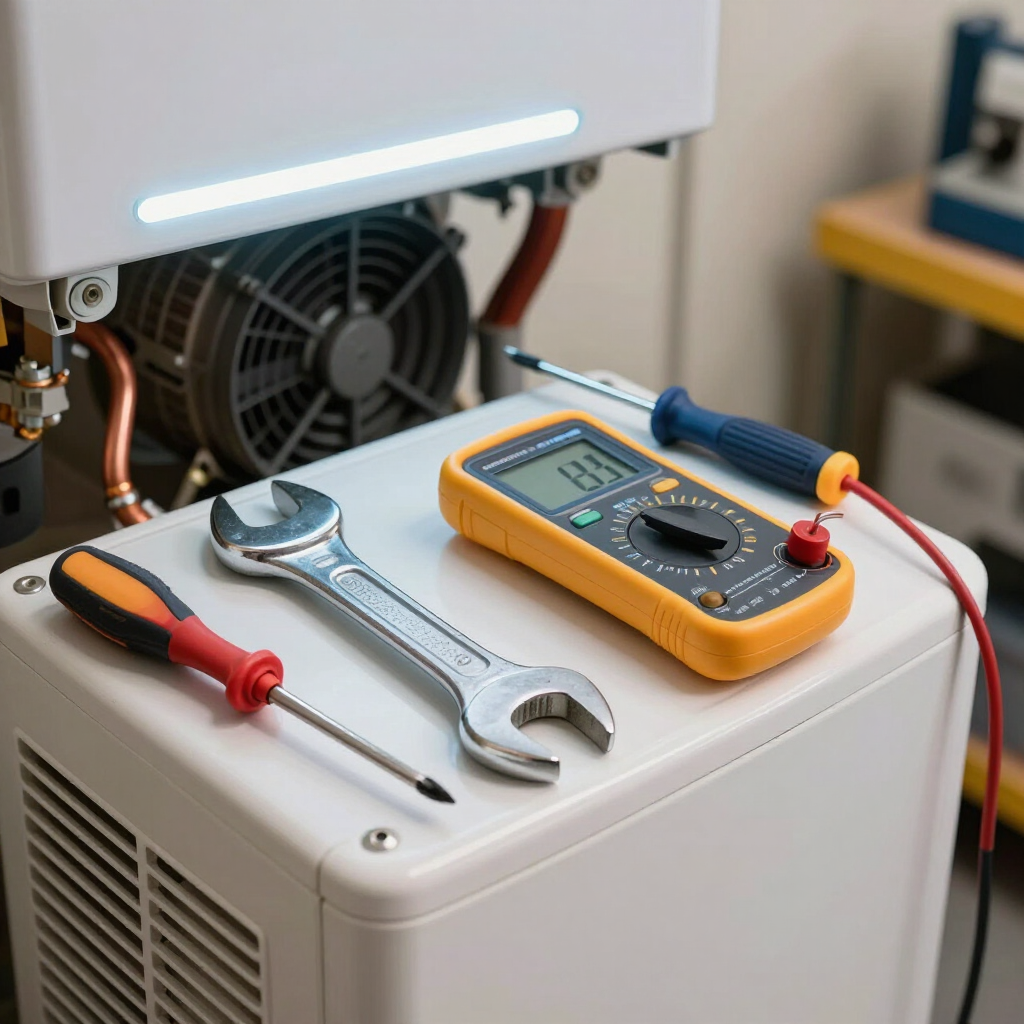
Discover what a NATE-certified technician inspects during a fall heating tune-up. Learn about airflow, safety controls, and combustion checks for your home.

Manage your heating costs this winter with professional tips on thermostat habits, heat pump efficiency, and airflow maintenance from Gallatin's HVAC experts.

Discover how whole-home humidifiers from brands like Aprilaire and Honeywell improve winter comfort by addressing dry skin, static electricity, and cracking wood trim in Middle Tennessee homes.
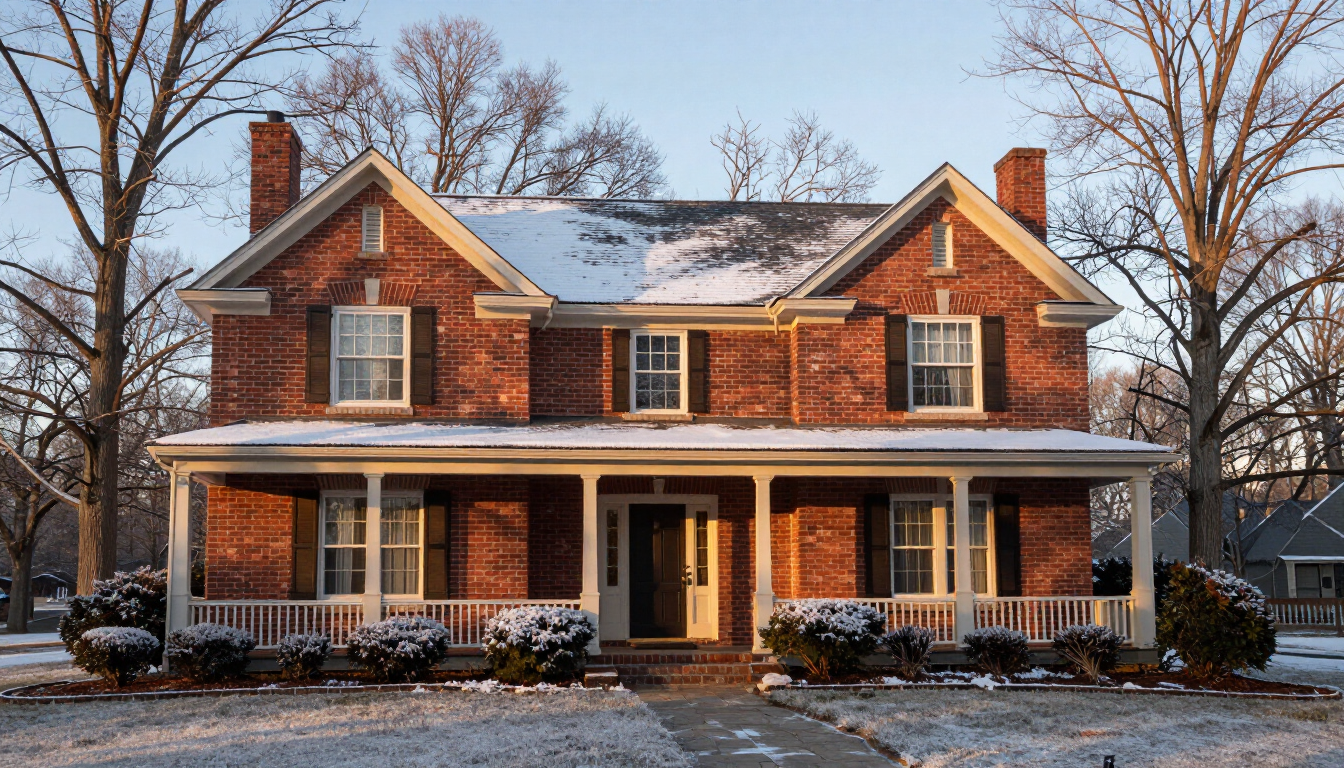
Compare heat pumps, gas furnaces, and dual fuel systems for Middle Tennessee winters. Learn which heating setup offers the best comfort and efficiency for your home without technical jargon.

Is your room over the garage uncomfortable? Learn why bonus rooms stay hot or cold and explore solutions like ductless mini-splits and insulation fixes.

If your carbon monoxide alarm sounds, follow these life-saving steps. Learn why immediate evacuation is necessary and how to prevent future CO leaks with professional maintenance.

Discover commercial HVAC maintenance tips for Middle Tennessee businesses, from routine service and filter changes to airflow, air quality, and seasonal prep that reduce costly downtime.